Did you know that every burst of colour in a firework begins deep within the Earth? As you enjoy the chromatic aerial display, we would like to spotlight the real stars of the show: minerals! From bright barium greens and chalcopyrite blues, through to sparkling stibnite and adding a bang with some bauxite. Each hue and fizzle is born from geological processes as old as the Earth itself.
Join us as we dig into the explosive world of fireworks, with a geological twist!
Brief History of fireworks

Fireworks originated in ancient China. Alchemists discovered that a mix of saltpetre, charcoal, and sulphur could create explosive flashes with dramatic sounds. By the 9th century this “black powder” was thought to ward off evil spirits so their link with festivals and celebrations was there born. Over time, the spectacle evolved from simple exploders bamboo containers to elaborate displays that spread along trade routes to the Middle East and later to Europe.
Today, fireworks remain a blend of art and science. Chemists and engineers pack mortars with precise chemical concoctions to produce specific colours, sounds, and set to pre-planned timing. Each burst is a controlled reaction. Modern displays are choreographed with digital technology, combining centuries of tradition with the computer-controlled precision.
From minerals, to Rainbow Glow
When the firework explodes, the fireworks fuel and oxidiser ignite, generating intense heat. This incredible heat gives the atoms in the colour-making minerals a massive energy boost, making electrons) jump up to a higher energy level. These excited electrons can’t stay up there long, and immediately fall back down to their normal level. When they fall back to their natural energy level, they release that extra energy as light. And this, is the coloured burst we see.
The chemistry of firework colours
| Colour/effect produced | Element(s) | Ore Minerals | Geological source / notes |
|---|---|---|---|
| Bright green | Barium | Barite (BaSO₄) | Hydrothermal and some sedimentary settings. Mined from veins and bedded deposits. |
| Deep red | Strontium | Celestine / strontianite (SrSO₄ / SrCO₃) | Carbonate sedimentary, as well as hydrothermal veins. |
| Blue | Copper | Chalcopyrite | Igneous (porphyry) and hydrothermal systems. |
| Yellow | Sodium | Halite (NaCl) | Evaporite deposits (rock salt) and brines. |
| Silvery white | Titanium, Zirconium, Magnesium alloys | Ilmenite, Rutile, Zircon, Magnesite, Dolomite | Mix of igneous and metamorphic sources, often mined from heavy-mineral sand and alluvial detrital deposits. |
| Gold sparks | Iron filing, charcoal | Magnetite, Hematite | BIFs, massive hematite deposits, or recycled steel. |
| Smoke effects | Zinc | Sphalerite (ZnS) | Hydrothermal sulphide deposits. |
| Bright flashes / bangs | Aluminium | Bauxite | Tropical laterites. |
| Glitter / sparkle | Antimony, Titanium, Zirconium | Stibnite (Sb₂S₃); ilmenite, rutile, zircon | Hydrothermal veins and heavy-mineral sands. |
| Oxidizers (support combustion, and louder bangs!) | Potassium, Sodium nitrates; perchlorates | Saltpeter (KNO₃), Natron/nitratine (NaNO₃), industrial perchlorates | Evaporitic deposits, or are produced industrially. |
Colour mixing is also possible, to produce even more spectacular colour shows! For example;
- Brilliant Orange (Strontium + Sodium). Mixing red-producing strontium compounds with sodium (yellow) produces brilliant oranges. Calcium salts can also be used to produce oranges.
- Lavender / purple (Copper + Strontium). Purple is a blend of blue (copper) and red (strontium) salts.
Precise shade depends on salt chemistry and mixture ratios
Spotlighting PetroStrat’s Mineralogy
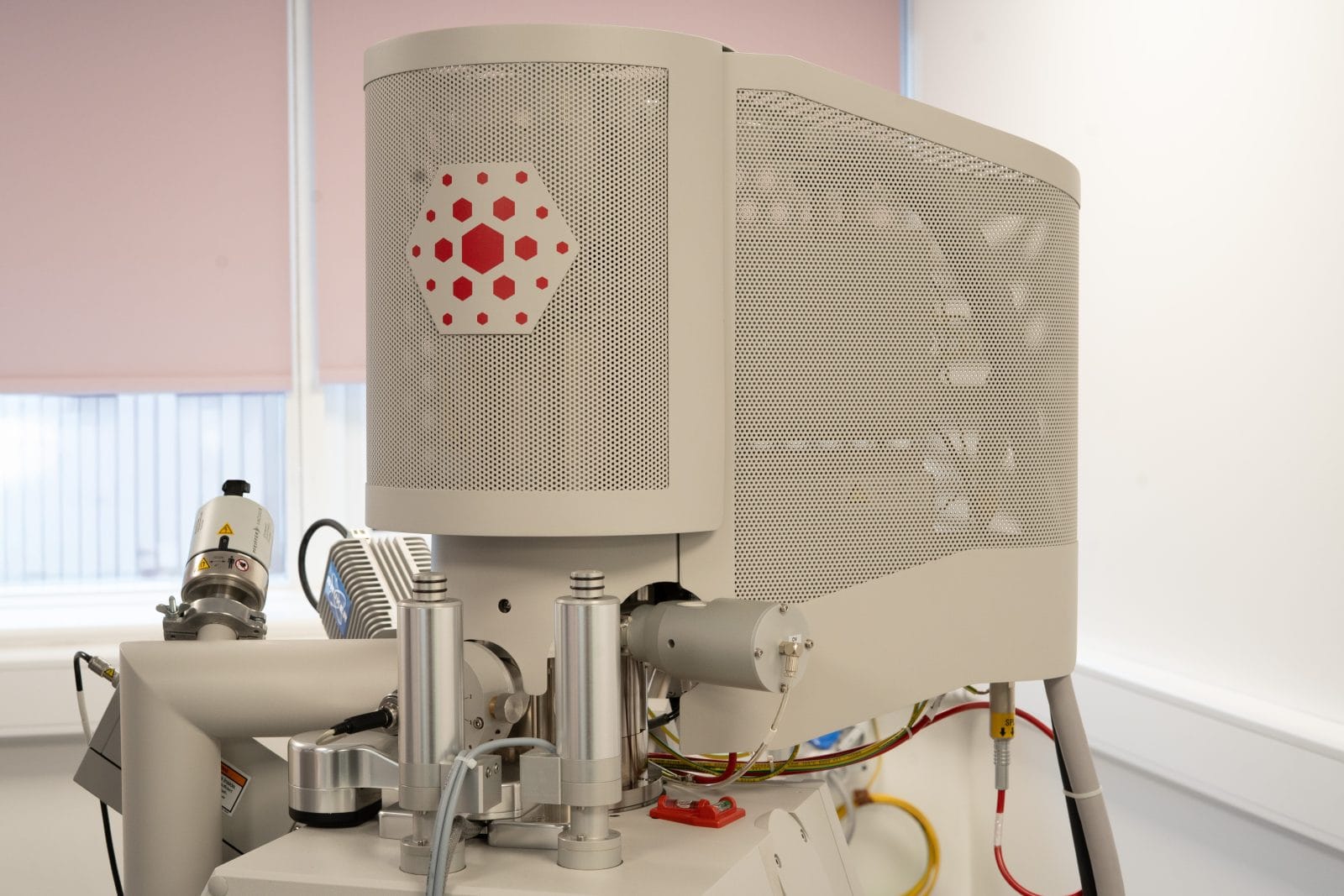
Defining a mineral’s composition is a crucial process, not just for colourful fireworks but for clients exploring the subsurface. At PetroStrat, our laboratory team have extensive experience in mineralogy applied to traditional resource exploration as well as energy transition and emerging technologies. We don’t just generate data, we deliver informed, actionable insights to power confident decision making to de-risk out clients subsurface assets.
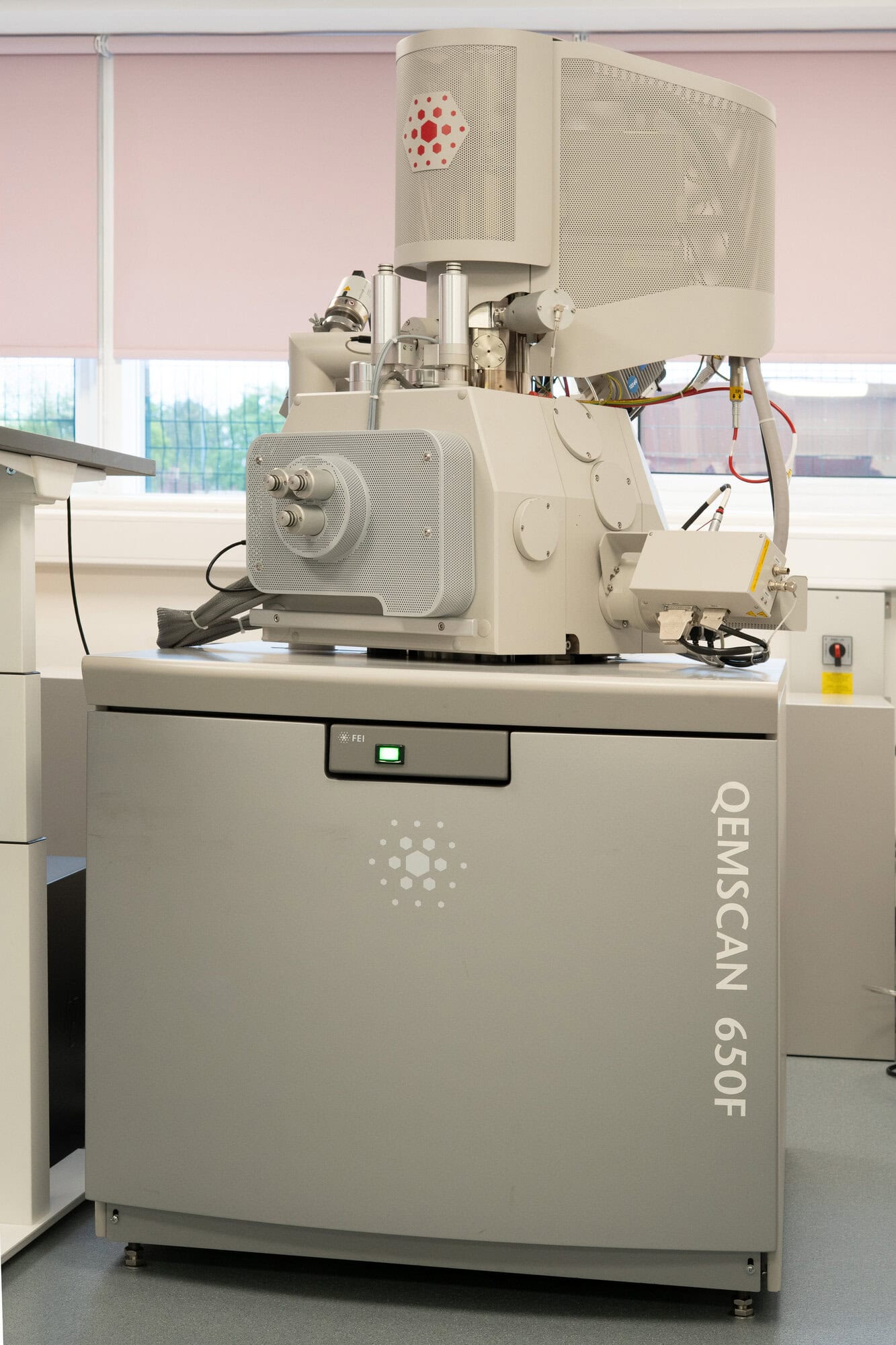
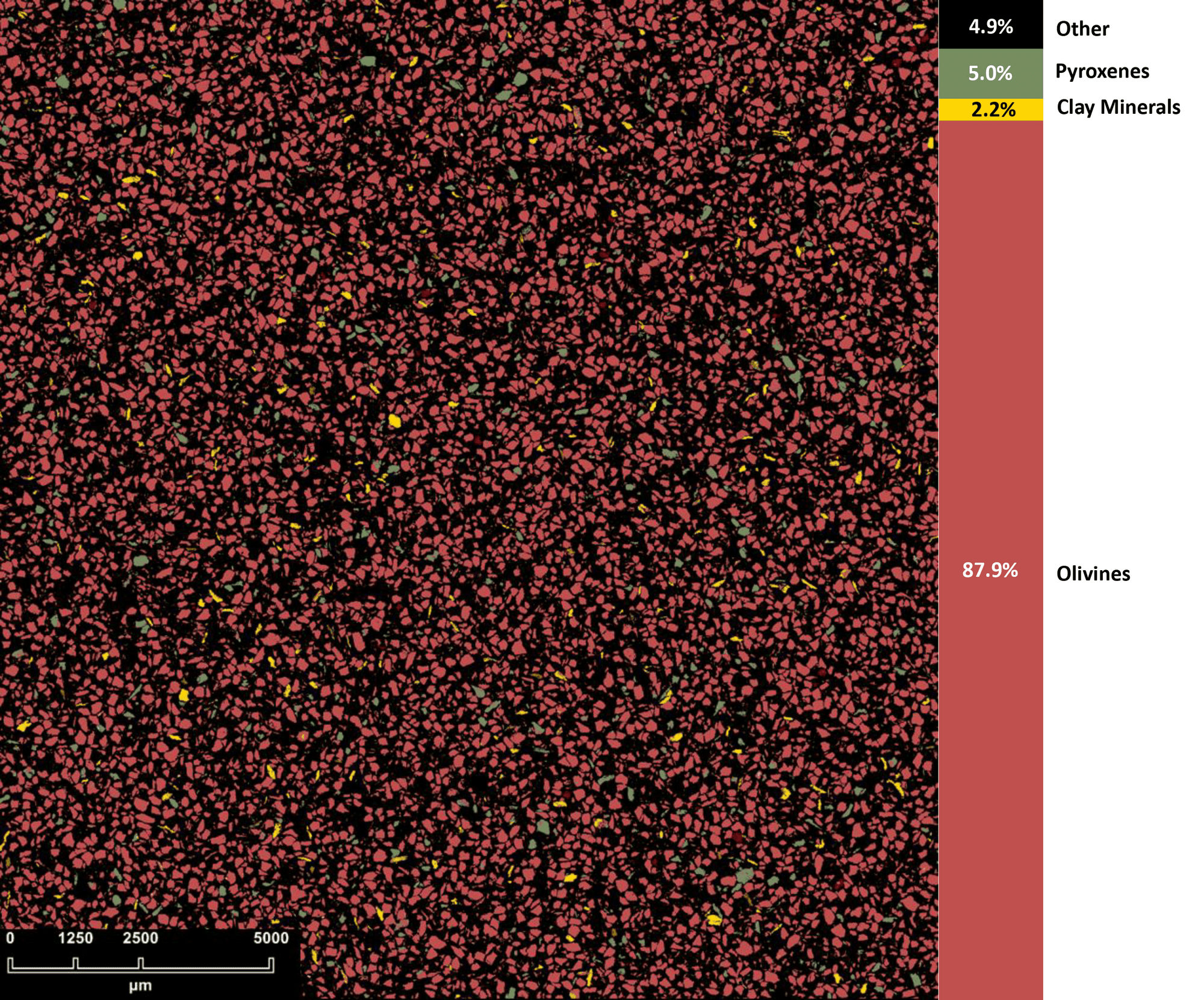
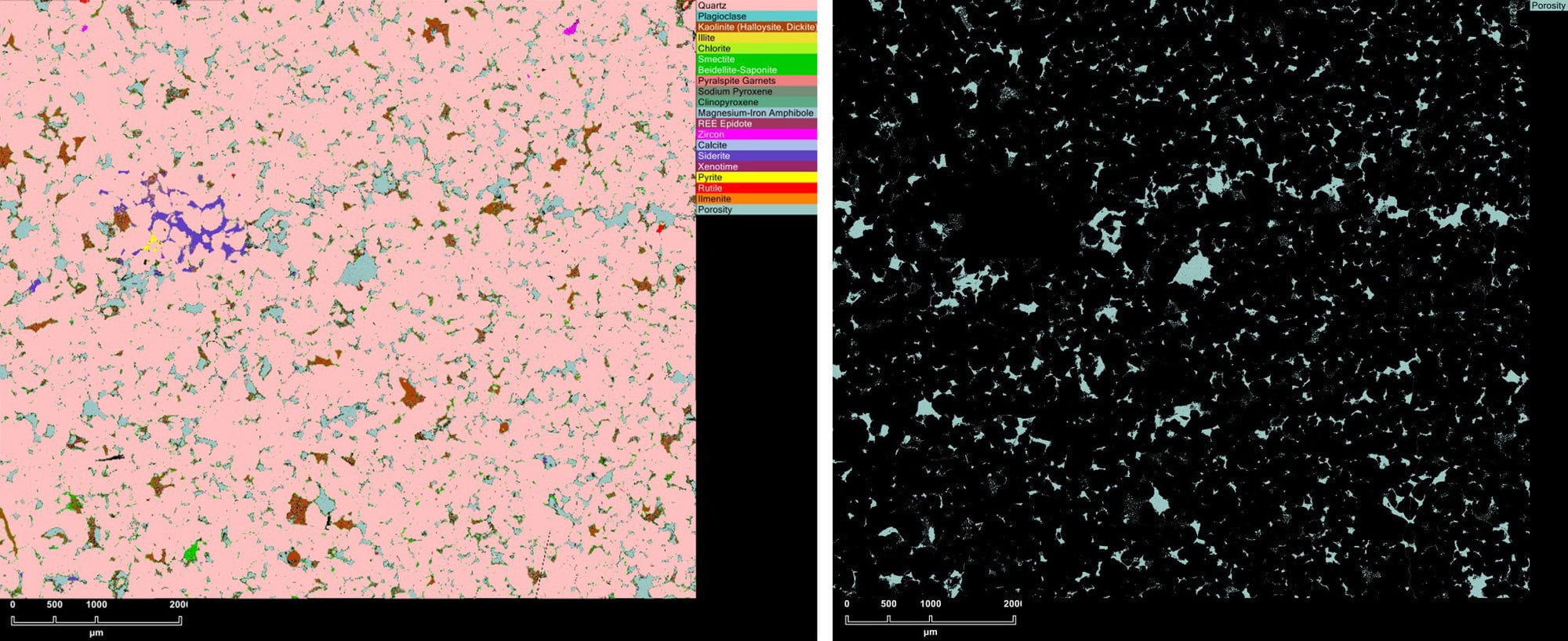
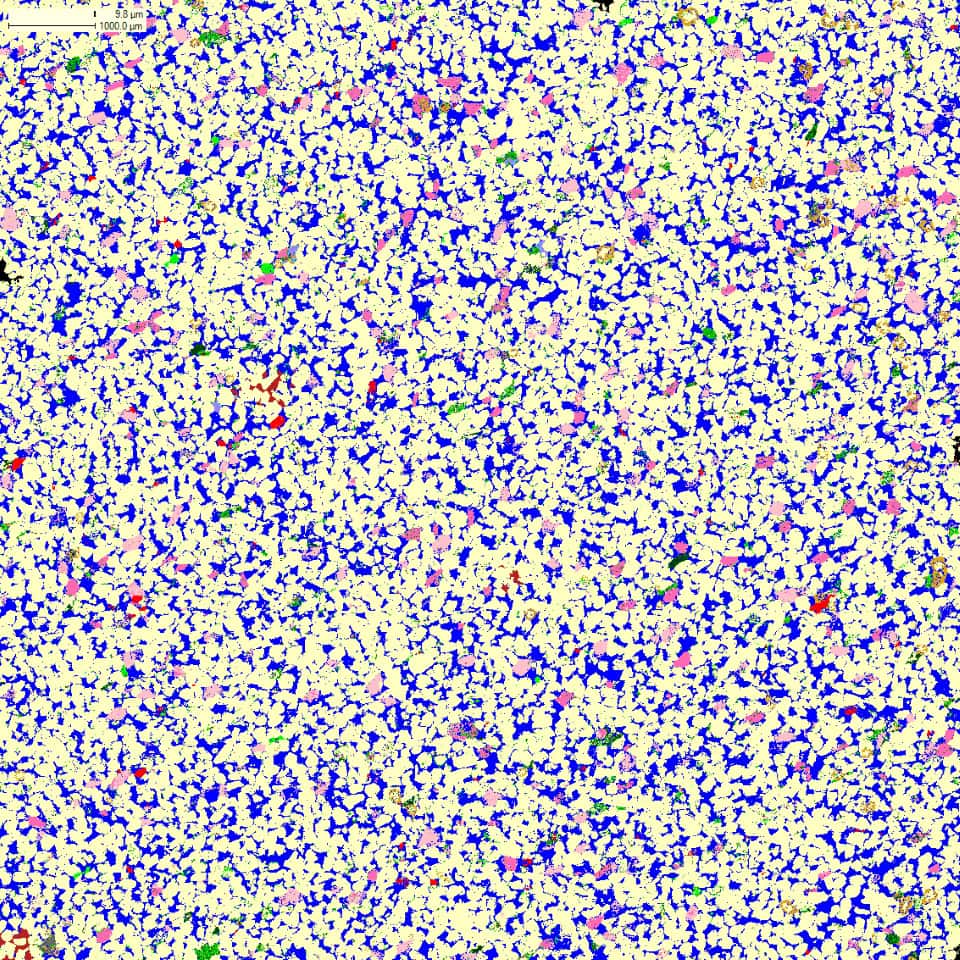
Our state-of-the-art facilities are equipped to provide the precise analytical services needed to define mineralogy and rock properties at the elemental level. Techniques such as X-ray Fluorescence (XRF) analysis and X-ray Diffraction (XRD) allow us to rapidly and accurately determine the mineralogy of our samples. Additionally, our Automated Mineralogy (QEMSCAN) capabilities deliver quantitative and qualitative data at scale, providing unparalleled geological and elemental characterisation.
No matter your lithologies our team can determine chemical composition of geological samples. Whether they are clastic, carbonate or evaporitic sediments, igneous or hydrothermal rocks, heavy mineral sands, or mine process samples we are here to support your project.
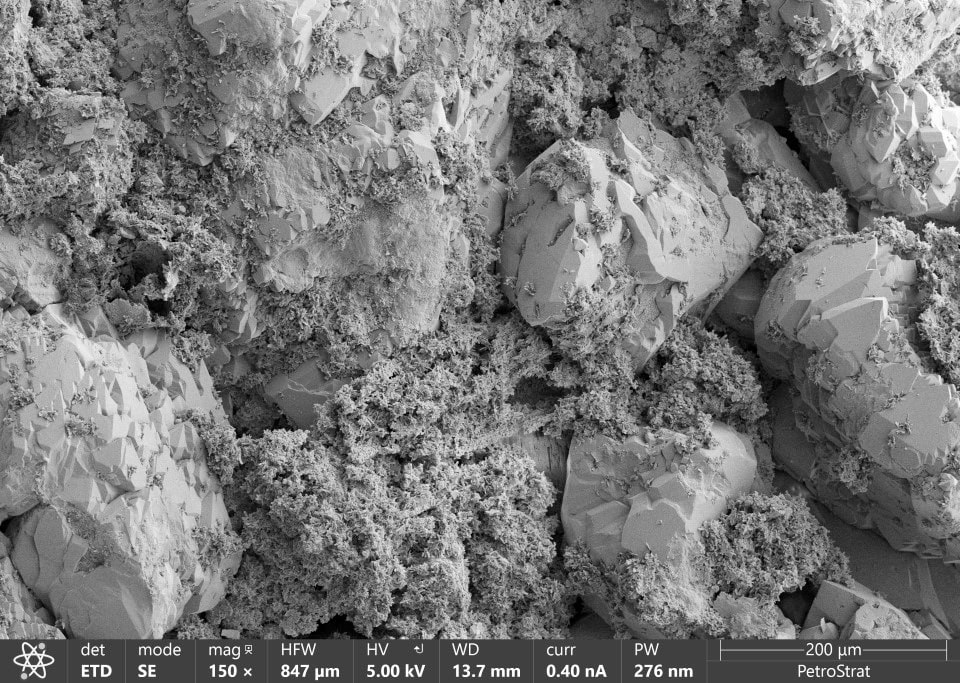
Explore some of our mineralogy Imagery