


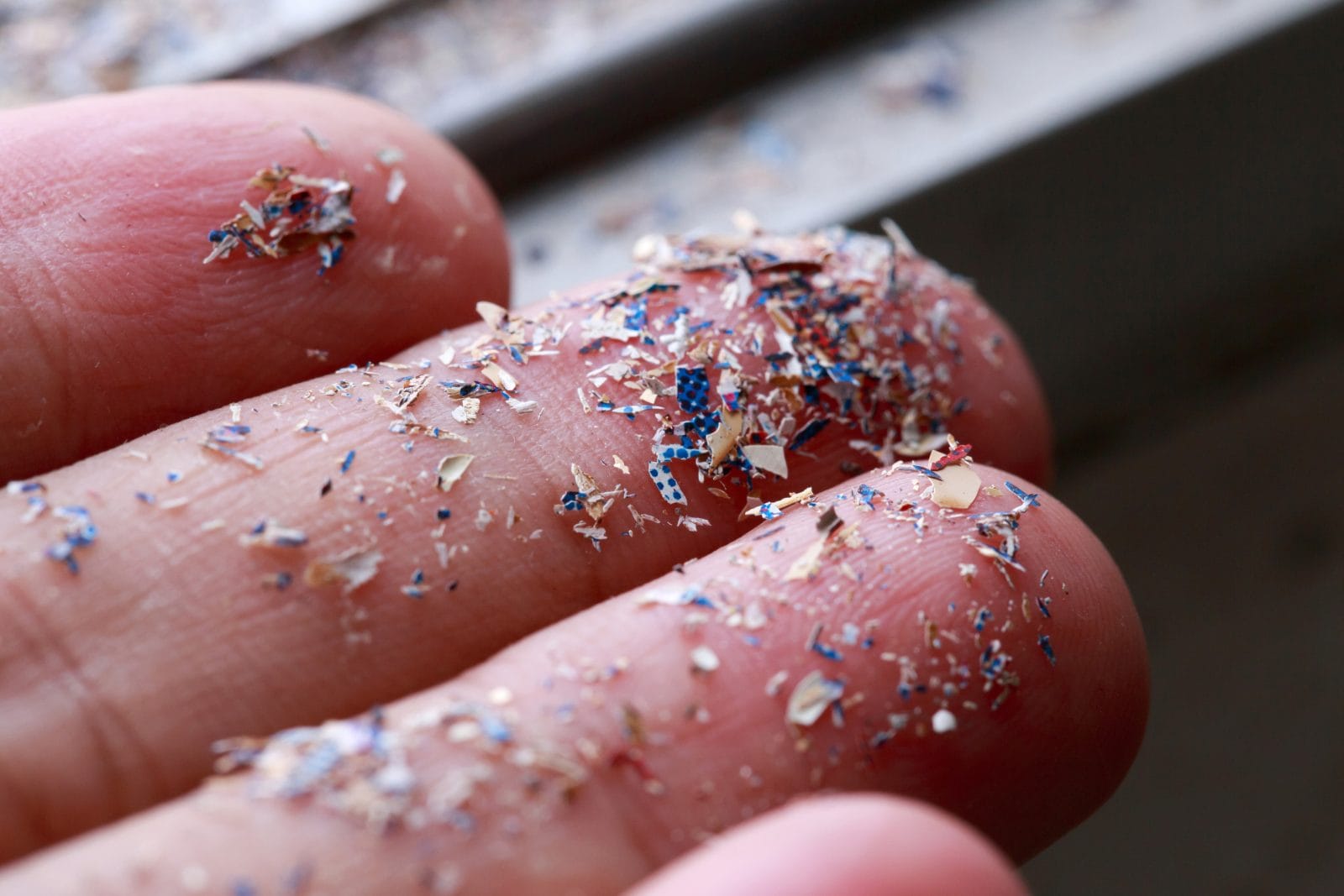
What Are Microplastics?
Microplastics are recognised as one of the most widespread and persistent pollutants in nature. As global plastic production rises, so does the occurrence of microplastic pollution, with particles being identified in every ecosystem on Earth, from the deep ocean to agricultural soils, and even in the air we breathe and the water we drink.
Microplastic is defined as synthetic polymeric particles of less than 5 mm in size. They can be:
- Primary microplastics: added directly to products such as cosmetics, pharmaceuticals, cleaning agents, paints and agrochemicals.
- Secondary microplastics: formed through the breakdown of larger plastic items including packaging, textiles, tyres and industrial materials.
Microplastics Are A Global Threat To Environment And Public Health
There is a growing body of research linking microplastic exposure to adverse health effects on living organisms. As public awareness and concern increases as to the risks of microplastic, there are calls for a greater understanding of the danger they pose, and for greater control of their release. Therefore, governmental policies restricting the use or release of microplastics are coming into force. In parallel, remediation technologies are being developed to control microplastic emissions and to protect environments.
Microplastic analysis is key to monitoring pollution and to establishing the nature and behaviour of microplastics, as well as to determine compliance of certain products.
Petrostrat Offers Microplastic Analysis Services Designed To Meet These Challenges

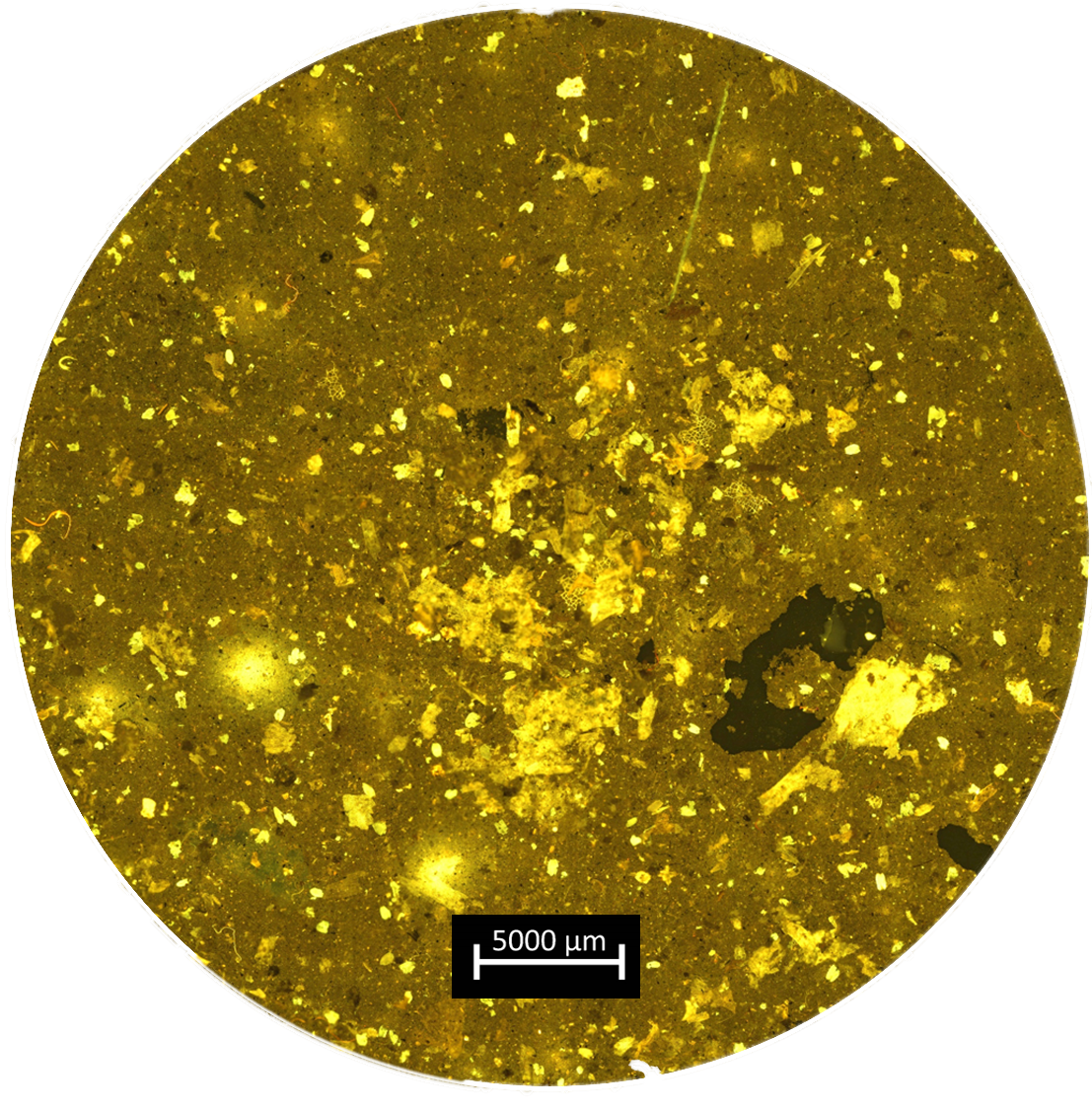
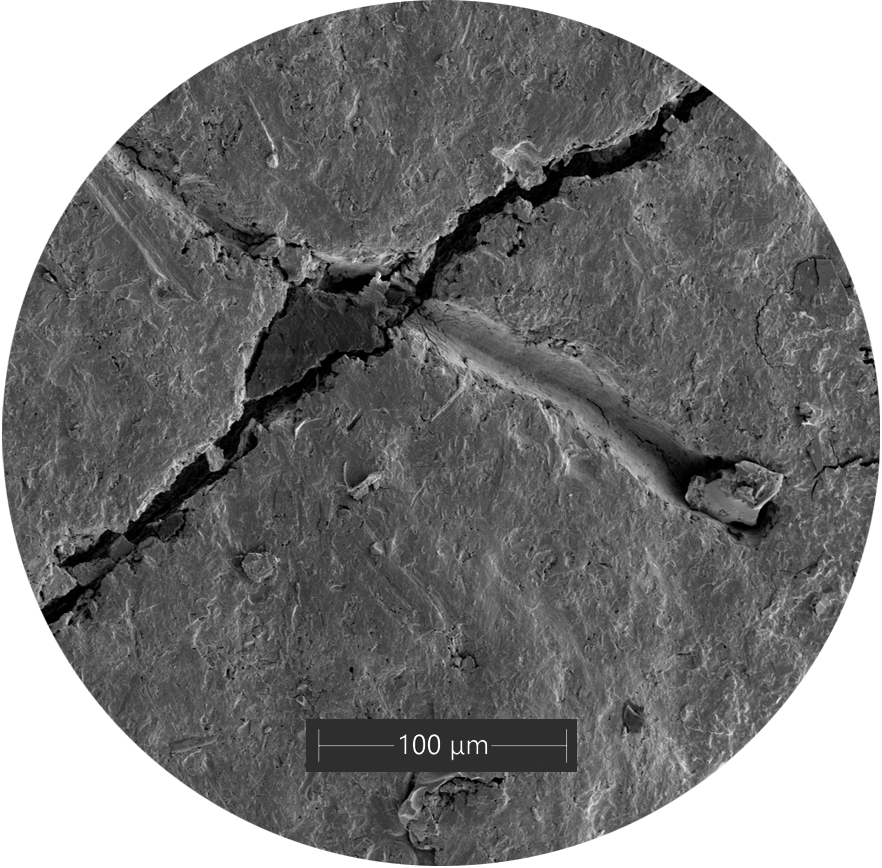
PetroStrat are applying our years of geoscience experience to this current, and very real, global problem. Our team have the expertise, software, tools and workflows to support collaborative projects. We work with industrial clients, environmental consultants and researchers to provide high-quality data on microplastic pollution from soils, sediments, waters and other environmental samples.
We extract particles from various sources using a range of laboratory techniques, including methods developed and tested in-house. Using our advanced microscopy suite, including Scanning Electron Microscopy (SEM) and fluorescence microscopy, along with pyrolysis-GCMS (Gas Chromatography Mass Spectrometry), we collect and interpret valuable data on microplastic pollution. These includes:
- Particle number
- Polymer type
- Particle dimensions
- Textural and topographical characteristics
- Fluorescence behaviour
By integrating these analyses with our geological and mineralogical expertise, we produce a holistic understanding of the sample and its source. We are also developing new technologies to provide clients with a range of analytical options to suit their needs including:
- Machine learning workflows to analyse microplastic particle size with high accuracy and efficiency.
- Novel sample preparation and analysis methodologies to identify and quantify microplastic using high throughput screening techniques.
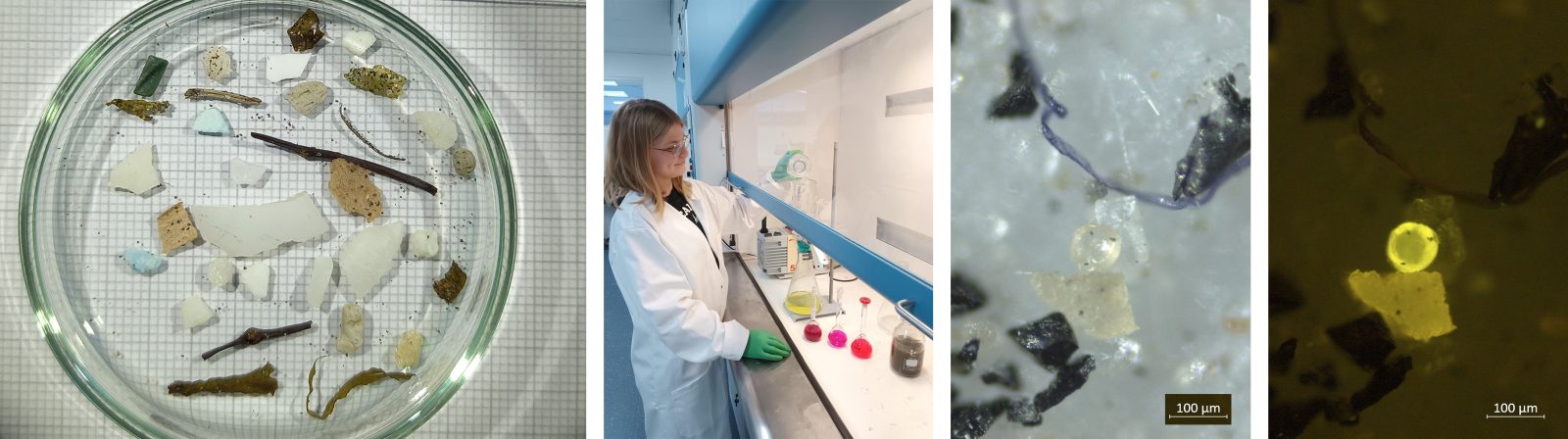
Images collected using our Advanced Microscopy Suite
Polycotton fibres imaged under various wavelengths of light
Brightfield
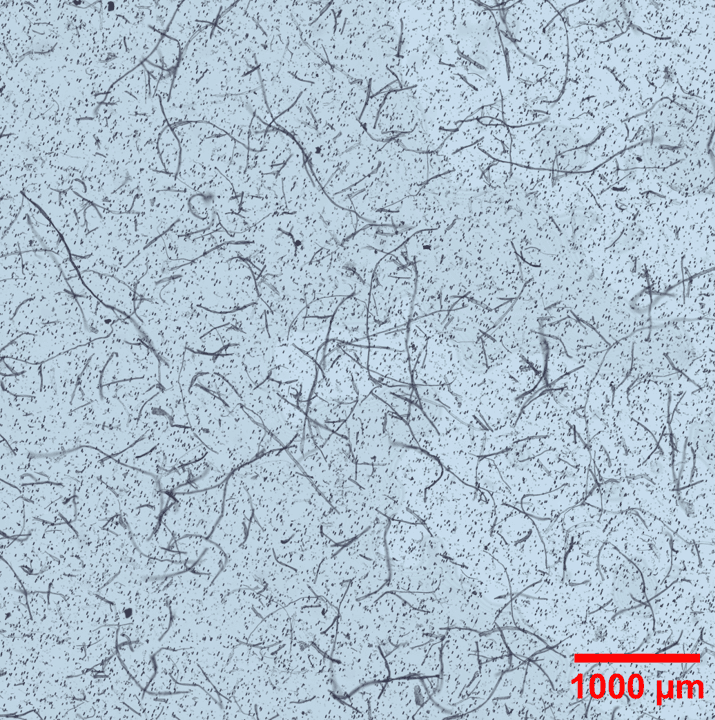
UV

Green

Scanning electron microscope (SEM images)
Polyester

Rayon

Microplastic Removal To Support Drilling Projects
In addition to our microplastic analysis services, we offer a microplastic removal service for geological samples to eliminate contamination such as drilling additives, and ensure that the most reliable geological dataset is obtained in downstream analyses.
Our team combines lab-based precision backed by decades of scientific expertise to deliver clear, actionable results. We are here to help you overcome challenges, track contamination and manage environmental risk.