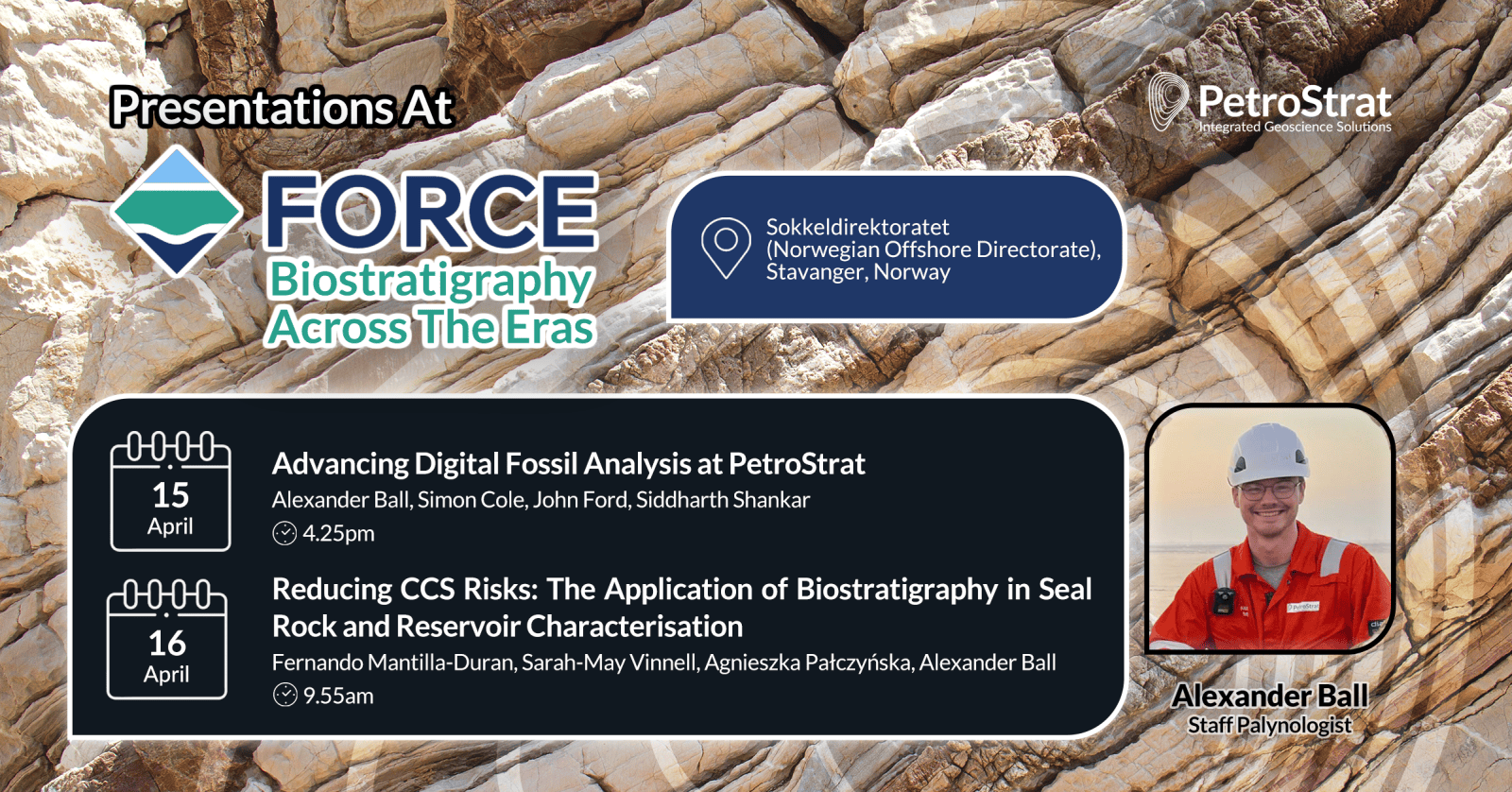
PetroStrat will attend and present at the FORCE in-person seminar, Biostratigraphy Across the Eras in Stavanger from 15 to 16 April 2026. Our technical team is delivering two presentations that showcase some of PetroStrat’s latest innovations in biostratigraphy. We will be presenting on digitalisation and analysis of fossil samples and the role of biostratigraphy as a risk-reducing tool in CCS projects.
We are excited to showcase some of the cutting-edge methods we are applying to the discipline to solve modern subsurface challenges.
Advancing digital fossil analysis at PetroStrat
Authors: Alexander Ball, Simon Cole, John Ford, Siddharth Shankar
Date: 15th April 2026
Time: 4.25pm
We are increasingly encountering computational solutions in our industry, with technologies such as Computer Vision offering both process streamlining and enhanced analytical capabilities. Before these tools can be applied to existing workflows, the raw data – digital microscope scans – must be rigorously developed and tested to ensure robust foundations for reliable results. Challenges abound for finding the right balance between quality, speed and cost when producing these scans. Here, we will explore how PetroStrat have combined the technical expertise of our analysts with advanced scanning technologies to establish the necessary foundations for bringing emergent technologies into mainstream procedures and unlocking enhanced analytical capabilities.
Reducing CCS Risks: The application of biostratigraphy in seal rock and reservoir characterisation
Authors: Fernando Mantilla-Duran, Sarah-May Vinnell, Agnieszka Pałczyńska, Alexander Ball
Date: 16th April
Time: 9.55am
Carbon Capture and Storage (CCS) offers an effective method for mitigating the release of anthropogenic CO2 into the atmosphere as industries and economies transition to renewable energy. Depleted hydrocarbon reservoirs are key targets for CCS and understanding the integrity and extent of seal rocks and connectivity of reservoir sands are essential for preventing the escape of supercritical CO2. Here, we demonstrate how a multidisciplinary biostratigraphic approach (Palynology and Micropalaeontology) can be used to refine and improve regional stratigraphic understanding ahead of drilling operations, successfully call coring points essential for rock mechanic experiments at wellsite, and develop a nuanced understanding of reservoir sand connectivity across wide areas. Our work here emphasises how biostratigraphy should form a key component of CCS workflows, supporting safer and more effective CO₂ operations.
Short bio of the PetroStrat authors
Alexander Ball (Presenting)
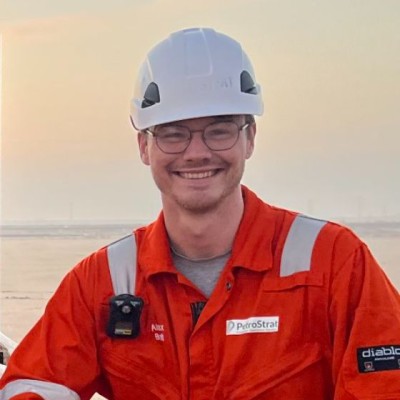
Alex is a Staff Palynologist who joined PetroStrat in 2023. Principally focusing on the Cenozoic and Late Cretaceous of the North Sea and Barents Sea, Alex also forms part of the Palaeozoic team and has worked in the Devonian, Silurian and Ordovician of Western Europe, USA, North Africa and the Middle East. He has also worked as a wellsite palynologist in support of numerous real-time drilling operations in the North Sea and Kuwait. Since joining PetroStrat, Alex has worked closely with the Data & Digital Team and our industry partners to explore scanning technologies and develop analyst-focused digital tools.
Simon Cole
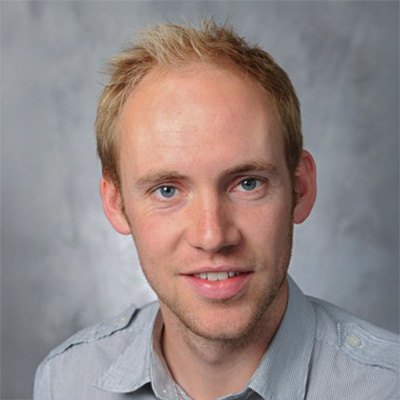
Simon is biostratigrapher with 20+ years experience in the energy sector. He has significant wellsite experience, having conducted wellsite nannopalaeontology from the North Sea (UK, Danish and Norwegian Sectors), offshore Trinidad, East and West Africa, the Gulf of Mexico (USA and Mexico), Suriname, Canada and the South China Sea as well as micropalaeontology on some Danish wells too. He now focuses on nannopalaeontology, and has analysed over 200 well sections ranging from Late Triassic to Recent in age, from diverse regions such as throughout Europe, Africa, Australasia, the Americas (including GOM) and China.
John Ford
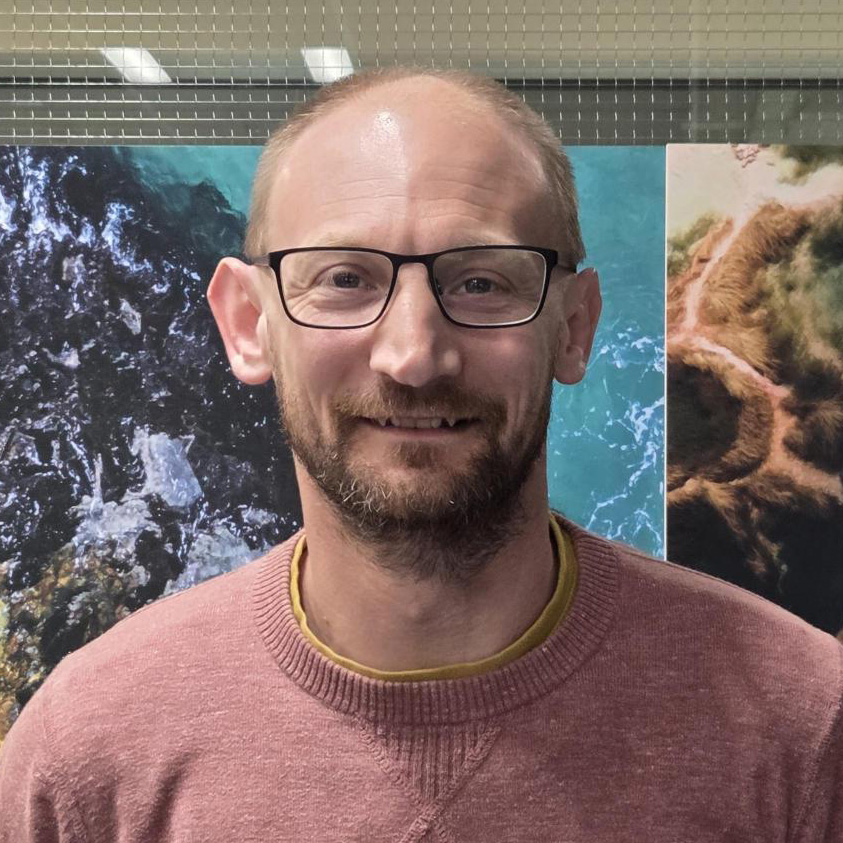
After graduating from Liverpool University in 2007, John started his career as a Reservoir Geologist at Fugro-Robertson. In 2019, he joined PetroStrat, working in the Reservoir Geology group, before moving across to the newly formed Digital and Data group in 2022.
Since 2022, John has been predominantly involved in PetroStrat’s digitalisation initiatives, leading on web application developments and larger-scale data science initiatives. Central to this has been the development of PetroStrat Connect – a cloud platform dedicated to storage, delivery and interrogation of PetroStrat generated datasets.
Fernando Mantilla-Duran

Fernando joined PetroStrat in October 2013 (previously Ichron) and is now based in West Cumbria. With over 15 years of broad experience, he focuses on the Cenozoic–Triassic biostratigraphy and palaeoenvironments of the North Sea and adjacent seas. He also has experience with Cretaceous sections from West Africa, Brazil, and North America; Cenozoic and Cretaceous from Colombia; and Pleistocene from the North Atlantic, among others. In addition to his technical work, he acts as a Team Lead in the Palynology Department at PetroStrat, supporting resource allocation, planning, and technical input for proposal writing.
Agnieszka Pałczyńska

Agnieszka Palczynska started at PetroStrat in January 2024 and is based in the UK, working from our HQ in Conwy. With over 6 years experience in micropalaeontology, including over 2 years experience in the petroleum industry, Agnieszka now works on the biostratigraphy of Cenozoic, Cretaceous and Jurassic sections of the North Sea and the Barents Sea, and Cretaceous sections from West and East Africa and offshore South America. She is fully certified to work offshore and has provided biostratigraphic wellsite support in British, Norwegian and Danish sectors of the North Sea.
Siddharth Shankar

Dr. Siddharth Shankar, is a Senior Data Scientist at PetroStrat, where he leads the computer vision and machine learning research for end-to-end automation and optimisation. He has over 13 years of experience combining both academia and industry. He has a master’s in computer science from Illinois Institute of Technology, Chicago, USA and PhD in Geology from The University of Kansas, USA.
Sarah-May Vinnell
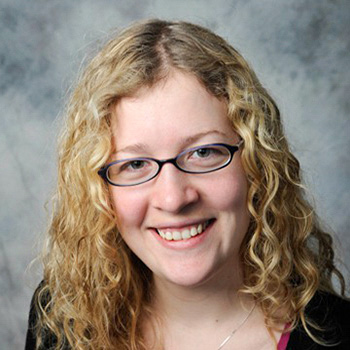
Sarah is a Senior Micropalaeontologist with over 18 years’ experience, specialising in Cenozoic and Mesozoic micropalaeontology and sequence stratigraphy. She has delivered biostratigraphic studies across Northwest Europe, the South Atlantic, Africa, and GoM covering several hundred wells and numerous multi-client projects.
Bringing biostratigraphy into the Energy Transition era
As the industry moves toward cloud-based environments, the integration of physical fossil data into digital workflows is essential. Our in-house digital tools allow seamless co-working and collaboration between our in-house experts and your team (wherever in the world they may be). We use our in-house digital data delivery dashboards to powerfully interrogate high-resolution datasets for more accurate stratigraphic correlation and basin modelling.
Arrange a Meeting in Stavanger
We look forward to joining colleagues and partners in Stavanger to discuss the latest advancements in biostratigraphy and digitalisation. To arrange a meeting with our technical team during the workshop, reach out to Alex Ball on LinkedIn or use our website contact form.
Everything you need to know about FORCE – Biostratigraphy Across the Eras
Conference: Biostratigraphy Across the Eras: Connecting Tradition and Innovation
Location: Stavanger, Norway
Venue: Sokkeldirektoratet (Norwegian Offshore Directorate)
Date: 15 – 16 April 2026